How Much Water Does a Slab Leak Waste?
A slab leak wastes water around the clock, because it runs whether you are home or not and whether any tap is open. Even a small leak can add up to a surprising amount over weeks, and the waste shows up first as a water bill that climbs with no change in how you use water.
Why does a slab leak waste so much water?
Most leaks you can see, like a dripping faucet, only run when the fixture is on or when the drip is active. A slab leak is different. It sits on a pressurized water line, so it runs all day and all night, with no pause. You do not turn it off by closing a tap, because the line stays pressurized between uses.
That nonstop flow is what makes slab leaks so wasteful. A small opening can pass a steady stream for weeks before you notice dampness or a warm spot. Each day adds to the total, and the total grows while the leak stays hidden under concrete.
The waste is not only water down the drain. Water under a slab soaks concrete and soil, feeds dampness in flooring, and can feed mold growth in damp areas. Stopping the leak early saves water and limits that damage at the same time.
What do federal figures say about household leaks?
Federal household leak statistics give a sense of scale. The average family can waste 180 gallons per week, or 9,400 gallons of water annually, from household leaks. Household leaks as a group can waste nearly 900 billion gallons of water annually across the country. Those figures cover all household leaks, not slab leaks alone, but they show how fast small leaks add up when they run unnoticed.
A slab leak is one of the hardest household leaks to notice, because it hides under concrete. A dripping faucet or a running toilet gives you a sound or a sight to catch. A slab leak may give you nothing but a bill that climbs and a meter that moves when every tap is off.
Read the source figures on the federal household leak statistics page. The page lists household leak totals from the national water program, and it is a useful baseline for how much a hidden leak can waste over time.
Why is a slab leak harder to notice than other leaks?
A slab leak hides under concrete and flooring. Water spreads through the slab and soil before it reaches a surface you can see. Tile, in particular, can hide moisture for a long time, because it does not swell or stain as fast as wood or carpet.
The signs that do appear can look like something else. A damp spot can look like a spill. A warm floor can look like sun on tile. A musty smell can look like a closed-up room. Each sign alone is easy to brush off. Together, they form a pattern that points to a leak under the slab.
That is why the meter test matters. It does not rely on sight or smell. It shows whether water is moving through the system when nothing is in use. If the meter moves with all taps off, water is going somewhere, and a leak is the likely cause.
How can I tell how much water my leak is wasting?
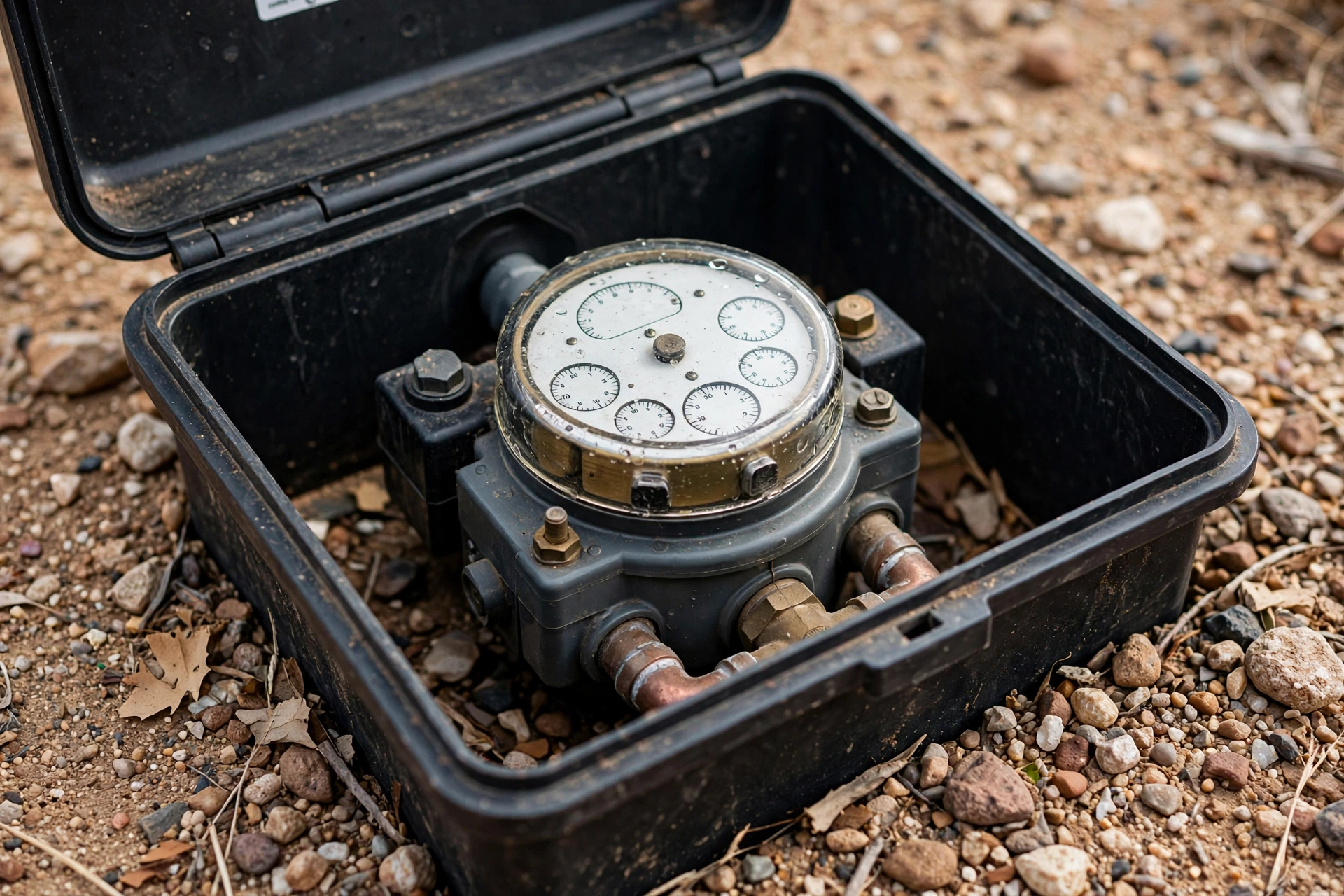
The meter test gives you a rough measure. Turn off every tap and water-using appliance, read the meter, wait about two hours without using any water, then read it again. The change in the reading shows how much water moved through the system during those two hours with nothing in use.
Multiply that two-hour change across a day to get a sense of the daily waste. The number will not be exact, because pressure and flow can shift through the day, but it gives you a clear picture of whether the leak is a trickle or a steady flow. Write down both readings with the time, so you have a record.
Do not try to measure the leak by watching damp spots. A spot that looks small can hide a larger flow below, because much of the water spreads through soil and concrete rather than pooling on the floor. The meter is the honest measure.
What does a rising water bill tell me?
A water bill that jumps with no change in use is often the first sign of a slab leak. Compare your bill against the same season in a prior year when you can, because summer watering and pool use can raise a bill on their own. A jump in a mild month, or a bill that stays high after you cut back on outdoor watering, points to a leak inside the home.
Look at usage history if your city offers it online. Daily or weekly use that stays high on days when no one was home points to a leak that runs around the clock. A steady climb over several bills points to a leak that is growing.
Keep your bills and meter readings together. A simple record of dates, readings, and bills helps a technician see how long the leak has been running and how fast it is growing.
What should I do when I suspect a leak is wasting water?
Start with the meter test above. If the meter moves with all taps off, call for detection. Detection pinpoints the leak so the repair can stay focused and the water stops running under your floor.
While you wait, shut off the main water supply if the leak looks active and you know where the shutoff sits. Move rugs and boxes away from damp areas, and take photos of damp spots and meter readings with dates. Photos keep the record clear.
Read the 7 signs you have a slab leak guide to check the other signs, and read how slab leak detection works to see what happens at a detection visit. The sooner the leak is found, the sooner the waste stops.
Frequently Asked Questions
It depends on the size of the opening and the pressure in the line, so there is no single number. Because a slab leak runs around the clock, even a small leak can add up to a surprising amount over weeks. A meter test shows how much water is moving through your system with all taps off.
A slab leak is harder to notice and runs nonstop on a pressurized line, so it can waste more water over time than a drip you can see and hear. It also soaks concrete and soil, which a faucet drip does not.
Often, yes. A bill that jumps with no change in use is one of the first signs. Compare against the same season in a prior year, because summer watering can raise a bill on its own.
You can get a rough measure with the meter test. Turn off all taps and appliances, read the meter, wait about two hours without using water, then read it again. The change shows how much water moved through the system.
Yes. Shutting off the main supply stops water from reaching the leak. If you know where the shutoff sits and the leak looks active, shutting it off stops more water from running under the floor while you wait for detection.
Last updated: October 16, 2026.