7 Signs You Have a Slab Leak
A slab leak is a water line leaking under the concrete floor of your home. The most common signs are a warm spot on the floor, damp carpet or tile, a water bill that jumps with no change in use, the sound of running water when every tap is off, and a water meter that keeps moving.
What is a slab leak, in plain words?
A slab leak is a leak in one of the water lines that runs under or through the concrete slab under your home. In many Arizona homes, copper or other water lines sit in or below that slab, so a small hole or cracked joint can send water straight into the concrete and soil beneath your floor.
You may not see water right away. A leak can run for days or weeks before it shows up as a damp spot, a warm patch, or a bill that climbs. That is why the early signs matter. Catching a leak early keeps the water damage smaller and the repair simpler.
Not every sign below means you have a slab leak on its own. A damp spot could come from a spill or a roof leak, and a warm floor could come from sun on tile. The pattern matters. Two or more of these signs at the same time point strongly toward a leak under the slab.
Why is one spot on my floor warm?
A warm spot on a tile or wood floor is one of the clearest signs of a hot water line leak under the slab. Hot water escapes from the line, warms the concrete, and the heat comes up through the floor. The spot often feels warm to bare feet and stays warm even when the air conditioner has been running.
Walk your home in bare feet in the morning, before the sun warms the floors. Look closely at hallways, kitchens, bathrooms, and laundry rooms, because water lines often run to those rooms. If one patch stays warm while the floor around it feels cool, mark the spot and note the time. That detail helps the technician who pinpoints the leak.
Why is my floor damp, stained, or buckling?
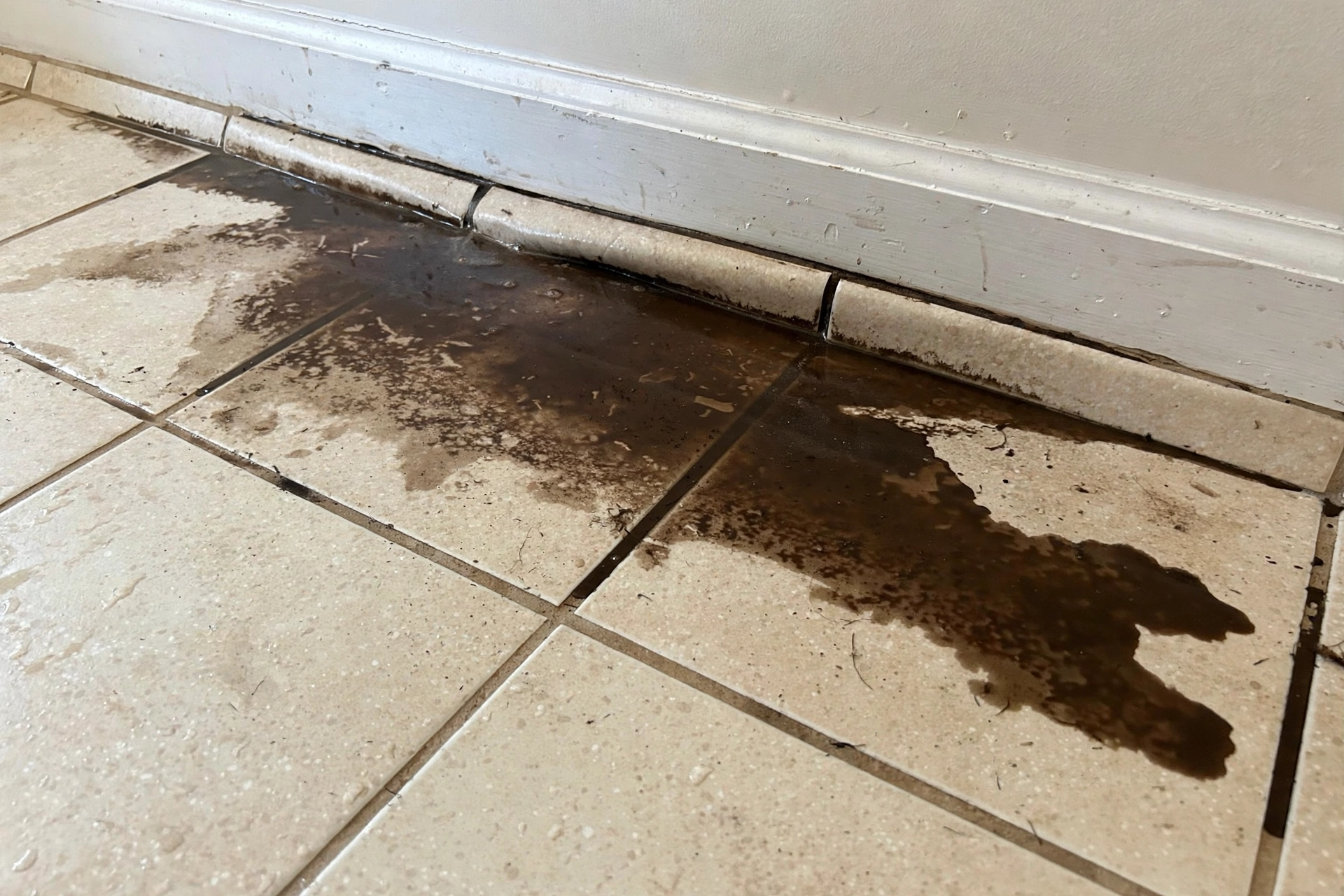
Water from a slab leak pushes up through the concrete and into flooring. On tile, you may see grout that stays dark, a stain that spreads along a baseboard, or a floor that feels damp after mopping when it should have dried. On wood or laminate, boards may cup, swell, or pull apart at the seams. Carpet may feel damp in one area, or smell musty after you cleaned it.
Arizona tile floors hide leaks well. Tile does not swell the way wood does, so a leak can sit under tile for a long time before the stain shows. Look along baseboards, in corners, and where the floor meets a wall. If a stain keeps coming back after you dry it, water is still feeding it from below.
Why did my water bill jump with no change in use?
A sudden jump in your water bill, with no new guests, no new lawn watering, and no change in habits, is a classic slab leak sign. The leak runs day and night, so the meter keeps turning even when your home is quiet.
Pull out your last few bills and compare them month to month. Look for a jump that does not match the season. In Arizona, summer bills often run higher because of yard watering and pools, so compare against the same season in a prior year when you can. A sharp jump in a mild month, or a bill that stays high after you cut back on outdoor watering, points to a leak inside the home.
Why do I hear water running when nothing is on?
Turn off every tap, appliance, and hose, then stand quietly in your home. If you still hear water running, hissing, or trickling through a wall or floor, a line under the slab may be leaking. The sound often comes through the floor in a hallway or near a bathroom.
Check the usual culprits first. A toilet that runs, a dripping faucet, or an ice maker filling can all make water sounds. Once you rule those out, listen again late at night when the house is quiet. A steady hiss or flow sound with everything off is worth taking seriously.
Why is my water meter moving when all taps are off?
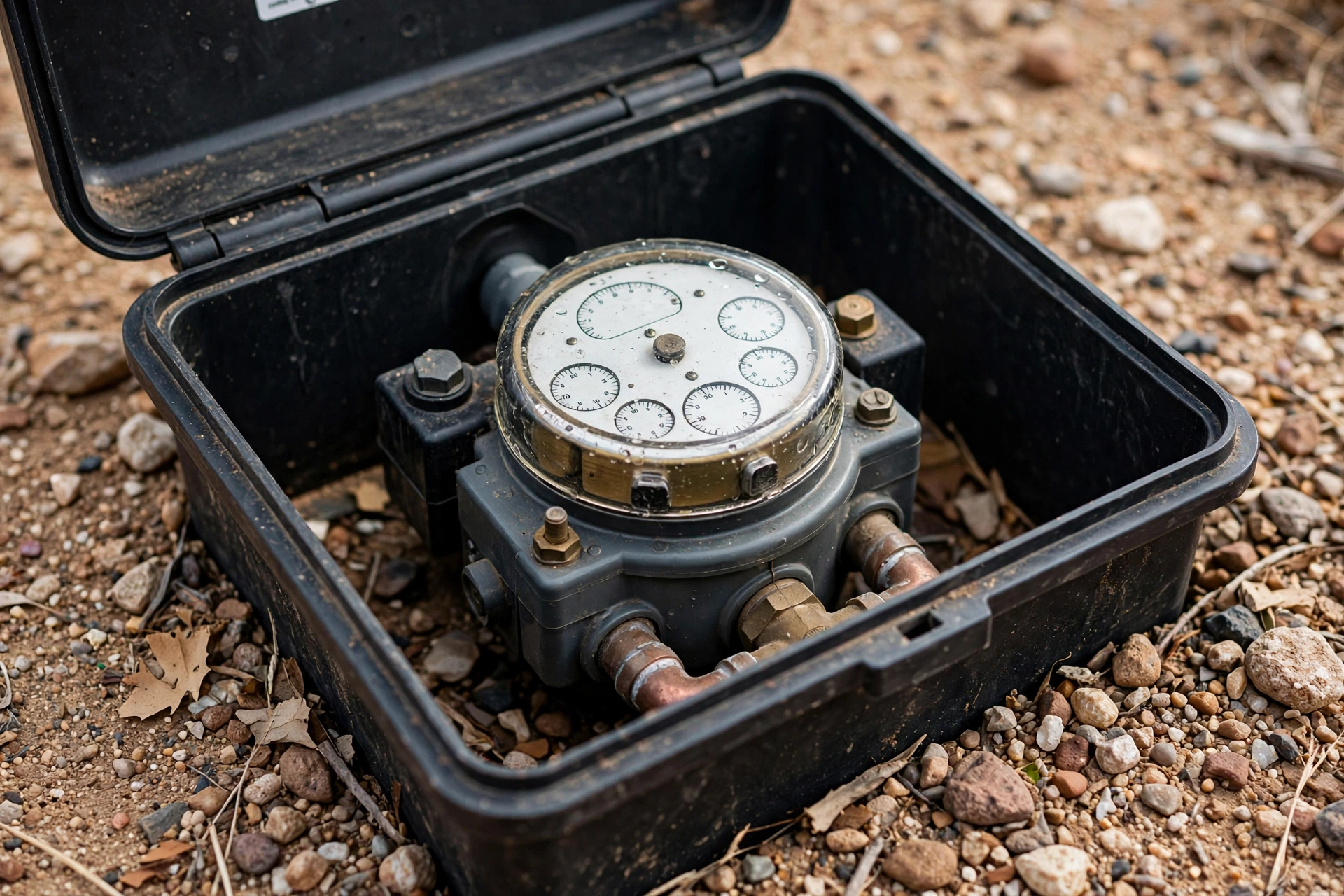
The meter test is the simplest check a homeowner can run. Turn off every tap and water-using appliance in the home, then look at the water meter. If the meter keeps moving, water is going somewhere, and a leak is a likely cause.
Here is how to run it. Turn off the washing machine, dishwasher, ice maker, and any hose or irrigation. Make sure no toilet is filling. Read the meter, wait about two hours without using any water, then read it again. If the reading changed, you have a leak somewhere in the system. The next step is to find whether it sits under the slab or in another line.
What other signs should I watch for?
Low water pressure at one tap or across the home can come from a leak pulling water away before it reaches the fixture. Pressure that drops without a known reason, or one faucet that runs weak while others run fine, is worth noting.
A musty smell, mildew on a baseboard, or a damp smell in a closet can also trace back to moisture under the floor. Arizona homes stay dry most of the year, so a damp smell that will not go away deserves a closer look.
What should I do if I notice one of these signs?
Start with the meter test above, then call for detection. Detection uses acoustic listening, thermal imaging, and other non-invasive tools to pinpoint the leak before any concrete comes up. You do not need to open the floor to find the problem.
If you are unsure whether the leak sits under the slab, detection will tell you. A leak in a wall line, an irrigation line, or a fixture behaves differently, and the fix differs too. Read how detection works on our page about how slab leak detection works, and learn what the fix may look like on our page about slab leak spot repair.
Frequently Asked Questions
A warm spot that stays warm while the rest of the floor feels cool, and that comes with a rising water bill or damp grout, points toward a hot water line leak under the slab. A detection visit can confirm the source before any floor work begins.
Yes. A leak can run under the slab for days or weeks before water reaches the surface. A jumping water bill, the sound of running water, or a moving meter with all taps off can all show up before any damp spot appears.
If the leak looks active and you know where the main shutoff sits, shutting off the water stops more water from running under the floor. If you cannot find the shutoff, call for help and move belongings away from damp areas.
No. A damp spot can come from a spill, a roof leak, an appliance, or a wall line. A stain that keeps coming back after drying, or dampness paired with a warm spot or a jumping bill, points more strongly toward a leak under the slab.
Run the meter test with all taps off, take photos of damp spots and meter readings with dates, and call for detection. Detection pinpoints the leak so the repair can stay focused on one area.
Last updated: October 16, 2026.