Why Your Water Bill Jumped: Slab Leak or Something Else?
A sudden jump in your water bill points to water going somewhere you did not plan, and a slab leak is one possible cause. Other culprits include a running toilet, an irrigation valve stuck open, or a hose bibb left dripping. A meter test narrows it down fast, and this guide walks through the test plus what to check next.
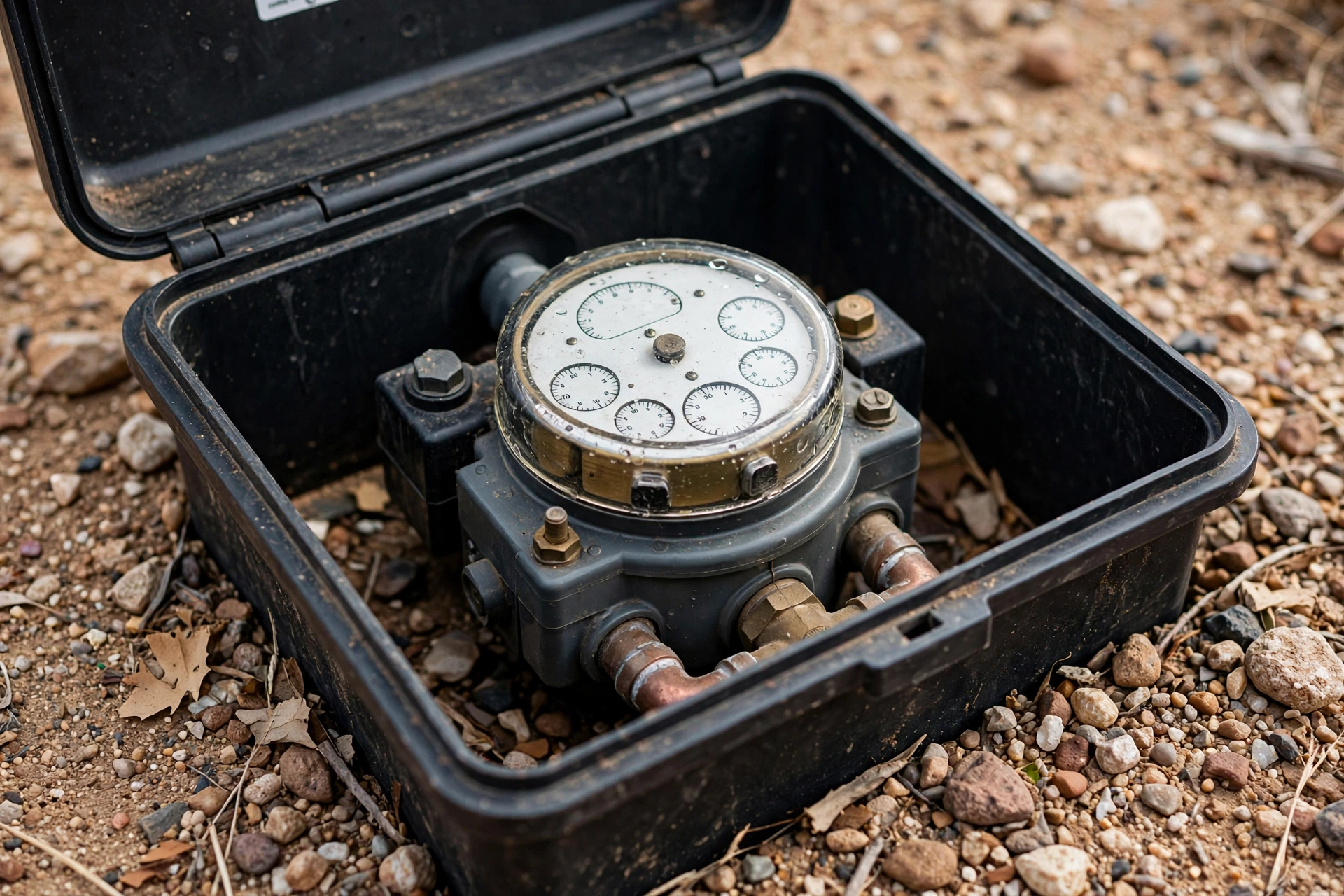
A water bill that jumps with no change in your habits is a message, not a mystery. Water went somewhere, and the bill is the record of it. The job now is to find where it went. A slab leak is one possible answer, but it is not the only one, and the simplest checks come first.
This guide walks through the causes in order: the meter test, the common household culprits behind many bill jumps, and the signs that point toward a slab leak.
What makes a water bill jump?
A bill jumps when water flows where it should not, or for longer than it should. The causes split into two groups: visible waste you can find and fix yourself, and hidden leaks you cannot see. Toilets, irrigation, and hose bibbs fall in the first group. Slab lines, wall lines, and underground service lines fall in the second.
Seasonal habits can also lift a bill. A new irrigation schedule, houseguests, or a new lawn can all raise usage without any leak at all. If nothing changed and the bill still jumped, a leak moves to the top of the list.
A billing read error is possible too, though it is far less common than a real leak. Compare the reading on the bill with the reading on your meter. If they do not match, call the provider. If they match, the water really flowed, and the search continues at home.
How do you run a meter test?
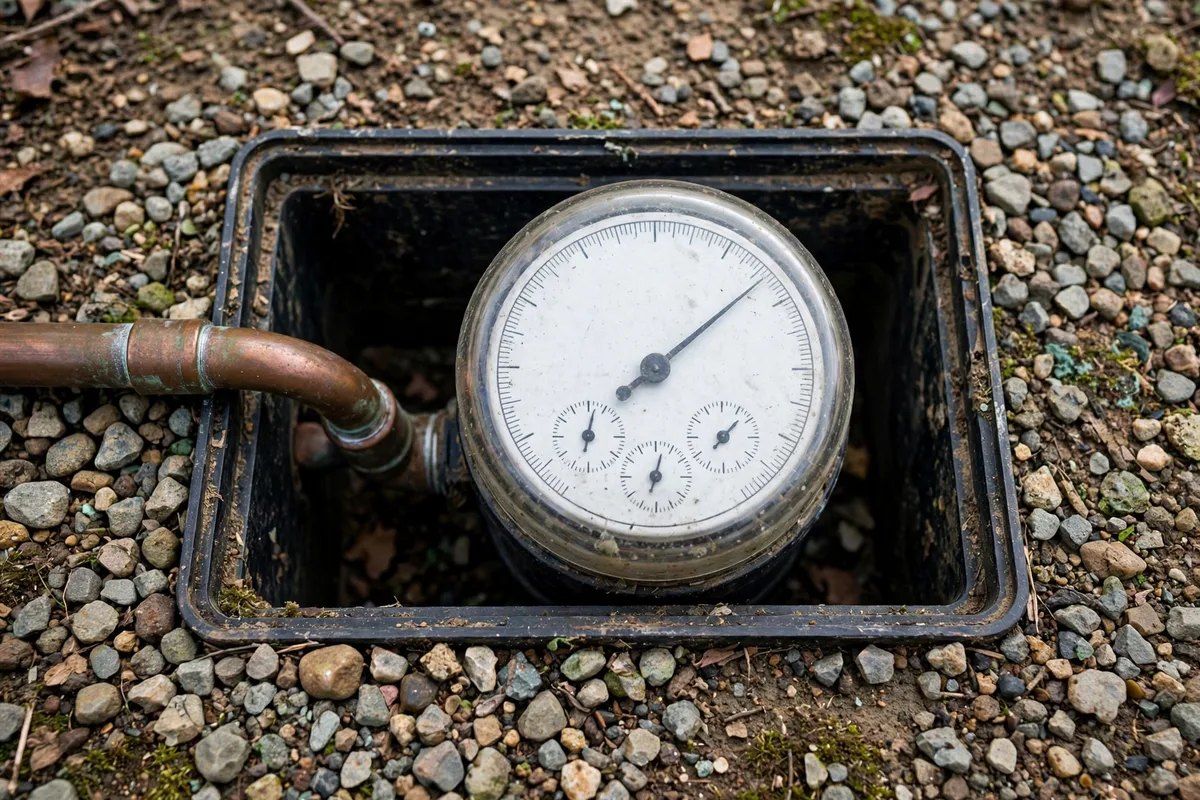
The meter test is the fastest way to tell whether water is flowing when it should not be. It takes a few minutes and needs no tools.
Turn everything off
Close every tap, and switch off every water-using appliance: dishwasher, washing machine, ice maker, and irrigation controller.
Read the meter
Find the meter box, usually near the curb, lift the lid, and read the dial or photo it.
Wait with everything still off
Leave all taps and appliances off for a short while, then read it again.
Compare the two readings
If the reading moved, water is flowing somewhere with nothing on. If it held still, no water flowed during the test window.
A moving meter means a leak or an appliance you missed. Run the test again after double-checking every toilet, tap, and appliance. If the meter still moves, water is escaping somewhere, and the next step is to find out where.
A still meter does not fully clear the home. A leak can run on and off. If the bill stays high and the meter test holds still, run the test again at a different time of day.
What else could explain the jump?
Before you suspect a slab leak, check the three household culprits that explain a large share of bill jumps.
A running toilet. A toilet with a worn flapper or a stuck fill valve can run without stopping, sending water straight down the drain around the clock. Lift the tank lid and listen. If water keeps running after the fill stops, the toilet is the likely cause. A food coloring test helps: add a few drops to the tank, wait without flushing, and check whether color shows up in the bowl.
Irrigation. An irrigation valve stuck open, a cracked head, or a controller running extra cycles can soak a yard and lift a bill fast. Walk the yard while the system runs and look for a head that sprays nonstop, a soggy patch, or a valve box that hums when the zone should be off.
A hose bibb or outdoor tap. A hose bibb left dripping, a hose with a split, or a tap that does not fully close can waste water all day. Check every outdoor tap, including ones behind the garage or on a side wall that rarely gets used.
If one of these checks finds the cause, fix it and watch the next bill. If all three come back clear and the meter still moves, the water is escaping from a hidden line, and a slab leak becomes the likely cause.
When does a slab leak become the likely cause?
A slab leak becomes the likely cause when the meter moves, the household culprits check out, and slab leak signs show up alongside the bill jump:
- A warm spot on a tile or concrete floor, often near a bathroom or kitchen wall.
- A damp patch along a baseboard, or a baseboard that swells or peels.
- A musty smell in one room that does not fade when the air dries out.
- The sound of running or hissing water when every tap is off.
- New cracks in tile or drywall that appear with no clear cause.
- A patch of yard near the home that stays soggy while the rest dries.
A bill jump plus any of these signs is a strong case for detection. A bill jump with no other signs still deserves a second test. If the meter keeps moving and nothing else explains it, detection is the next step either way.
What should you do after the meter test?
First, write down your findings: the two meter readings, the time between them, and what you found at each toilet, irrigation zone, and hose bibb.
Second, shut off the water if the leak looks active. A warm floor spot, a spreading damp patch, or a meter that moves fast all argue for shutting the main valve until the visit.
Third, set up leak detection. Detection pinpoints the leak with listening gear and line tests, so repair stays focused on one spot. Tell the team about the bill jump, your meter readings, and any signs you found.
Frequently Asked Questions
Yes. A slab leak runs day and night, and that steady flow adds up on a bill fast. Even a small leak can move a lot of water over a full billing cycle.
Turn off every tap and water-using appliance, then read the meter. Wait a short while with everything still off, then read it again. If the reading moved, water is flowing somewhere it should not go.
A moving meter with no visible damp spots still means water is escaping. Check toilets, irrigation valves, and hose bibbs first. If those are clear, a hidden line such as a slab line is the likely source.
Yes. A toilet that runs without stopping can waste a large volume of water around the clock, and it is one of the most common causes of a sudden bill jump. It is also one of the easiest to check.
Set it up once you have ruled out toilets, irrigation, and hose bibbs, or right away if you also see warm floor spots, damp baseboards, or running-water sounds. Detection pinpoints the source so repair can stay focused.
Last updated: October 16, 2026.