Monsoon Season and Slab Leaks
Arizona summer storms can shift the clay soil under a slab, and that movement can stress buried water lines. Extra moisture can also hide early leak signs, since damp floors and musty smells get blamed on humidity. Watch your floors, walls, and water meter closely through storm season, and act fast when something looks off.

Arizona summers bring fast, heavy storms that dump a lot of water in a short time. Streets run with runoff, yards puddle, and then the sun comes back out and dries everything fast. That wet and dry swing is the part that matters for a slab, because the soil under and around your home reacts to every cycle.
A slab leak is water escaping from a pipe buried under or inside a concrete slab. Most homeowners never see the pipe itself. They see the clues: a warm spot on the floor, a damp baseboard, or a faint sound of running water. Storm season can both add stress to buried lines and mask those clues.
How does monsoon season affect the soil under a slab?
Much of Arizona sits on clay-rich soil that swells when it soaks up water and shrinks as it dries. A heavy storm swells the soil around a slab. Days of sun shrink it back down. When that cycle repeats through storm season, the ground under a home keeps moving in small amounts.
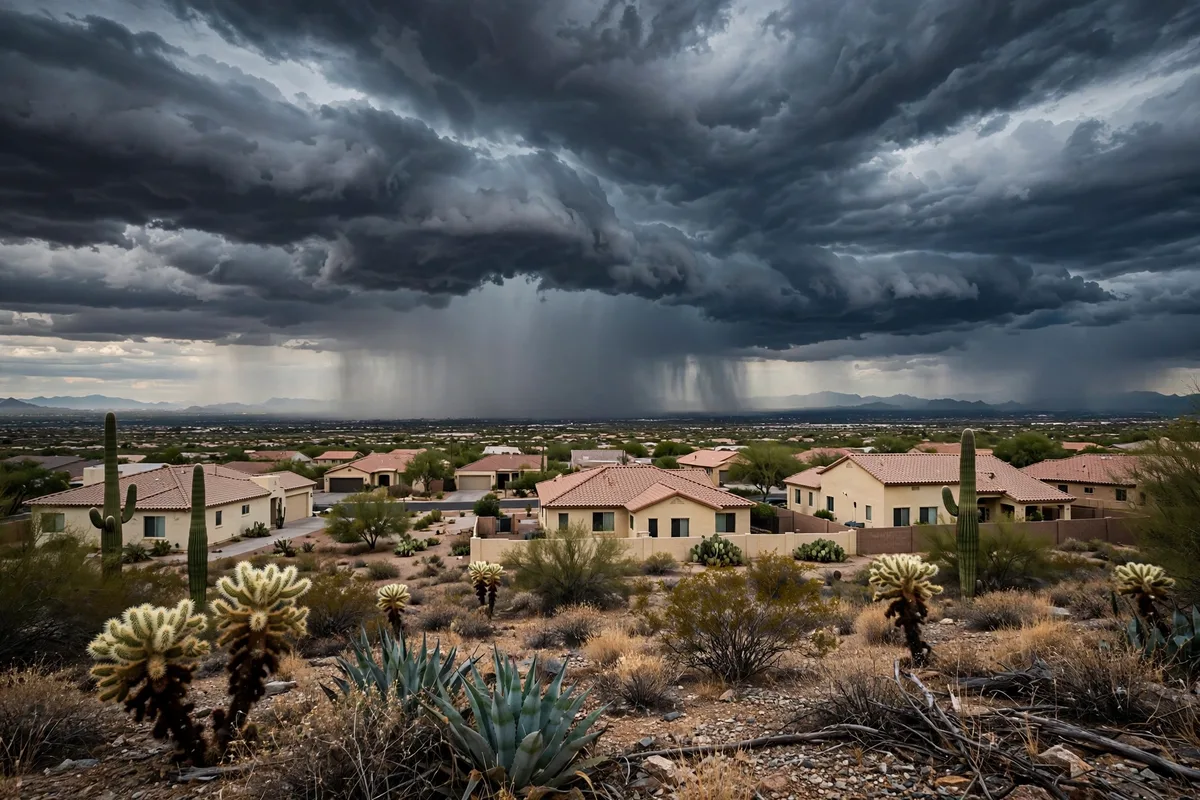
That movement matters because buried water lines do not move with the soil. The slab holds its shape while the soil around it swells, settles, and shifts. The push and pull lands on the pipe, and it lands hardest at joints, bends, and spots where the pipe already has wear. Over a long storm season, that repeated stress can open a weak spot into a real leak.
Drainage around the home shapes how much of this you get. Roof runoff that pools near the foundation keeps the soil there wet longer, and a yard that slopes toward the house holds water against the slab.
Can summer storms cause a slab leak on their own?
Storms rarely create a leak in a sound line by themselves. A healthy pipe handles soil movement without trouble. The risk shows up when a line already has wear from age, mineral buildup, or past soil shifts. Storm-season movement then becomes the last push that opens the weak spot.
Think of it as a chain. Hard water wears the inside of a copper line over many years, and past wet and dry cycles add small stresses. Then a wet summer brings fresh soil movement, and the worn spot gives way. That is why leaks often seem to show up during or right after storm season.
Newer homes are not exempt. A line with a weak joint or a fitting that was never quite right can start leaking once soil movement works on it. Age raises the odds, but install quality and soil conditions matter in any home.
Why do slab leaks hide so well during humid weeks?
Storm season makes every home a little damp. Air holds more moisture, floors take longer to dry after mopping, and a faint musty smell can seem like normal summer air. Those everyday damp signs give a real leak good cover.
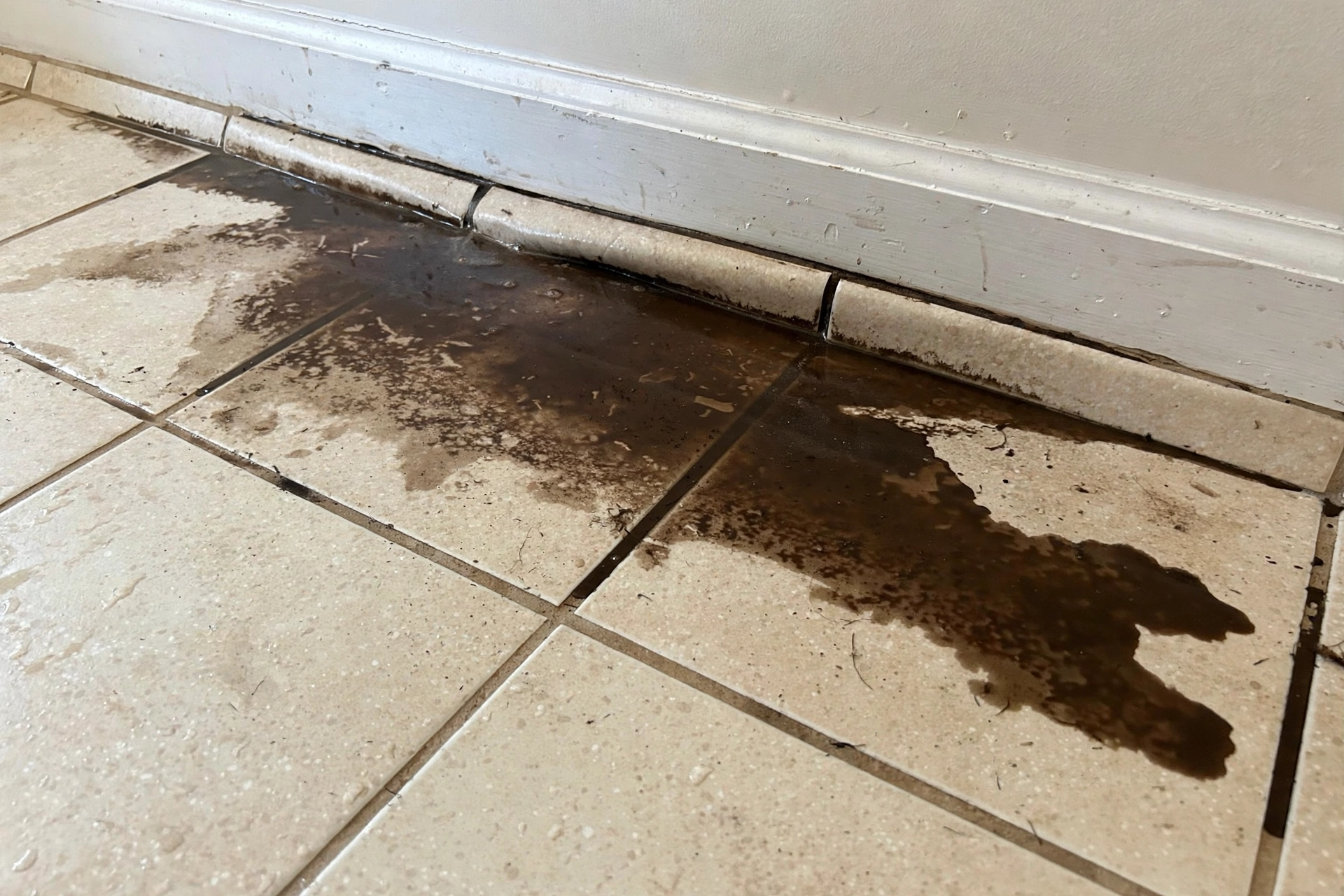
A slow leak under a slab may show up as one damp spot along a baseboard, a patch of tile that never quite dries, or a musty smell in one room. During humid weeks, it is easy to blame all of that on the weather. The leak keeps running while the homeowner waits for drier days, and the damp area can spread.
Warm spots are the clue that cuts through the noise. A hot water line leak warms the floor above it, and summer humidity does not explain a warm patch on tile.
What signs should you watch for after a storm?
Walk the home once the rain stops and look with fresh eyes. Storm season is the time to check, not the time to shrug things off. Watch for these signs:
- A warm spot on a tile or concrete floor that was not warm before.
- A damp patch along a baseboard, or a baseboard that swells or peels.
- A musty smell in one room that does not fade when the air dries out.
- The sound of running or hissing water when every tap is off.
- A water meter that moves while nothing in the home runs.
- New cracks in tile, stucco, or drywall that appear after heavy rain.
- A patch of yard near the home that stays soggy while the rest dries.
One sign alone may have a simple cause. Two or more together point toward a leak under the slab, and that is the point to run a meter check and set up detection. Note when each sign first showed up, since timing helps the detection team pin down the source.
What should you do if you spot a sign during storm season?
Start with the meter test. Turn off every tap and water-using appliance, then watch the water meter. If the meter still moves with everything off, water is going somewhere it should not go. That single check separates a weather damp spot from a live leak.
Next, find your main shutoff valve and make sure you know how to turn it. You may not need to shut the water off for a slow leak, but knowing where the valve sits saves time if a damp spot spreads or a floor starts buckling. Show every adult in the home where it sits.
Then set up leak detection soon, even if storm season still has weeks to run. Waiting lets the leak soak more soil and flooring, and it gives mold-friendly damp a longer window. Detection pinpoints the leak so repair can stay focused on one spot instead of opening up broad runs of floor.
Between storms, help the soil near your slab dry evenly. Keep gutters clear, keep downspouts pointed away from the home, and keep yard grading sloped away from the foundation.
Frequently Asked Questions
Storms rarely create a leak in a sound line by themselves. They add stress through soil movement and moisture, and that stress can open a weak spot in a line that was already worn.
Rain can raise moisture around a slab, and damp air slows drying, so a floor can stay damp for a while after a storm. If one spot stays damp while the rest dries, or if the spot is warm, get it checked.
Wet and dry cycles make clay soil swell and shrink, and repeated movement can stress a slab over time. A single storm rarely cracks a slab, but seasons of movement can widen small cracks and stress buried lines.
No. A leak keeps running while you wait, and it can soak soil and flooring in the meantime. Check the meter, note what you see, and set up detection soon.
Turn off every tap and water-using appliance, then look at the water meter. If the meter still moves with everything off, water is going somewhere it should not go, and a leak check is the next step.
Last updated: October 16, 2026.