Slab Leaks and Your Insurance Claim: What to Know
Slab leak coverage varies widely from policy to policy, so the first step is to read your own policy and talk with your insurer. Document the leak with dated photos and meter readings, get a written findings report from detection, and ask your insurer what your policy covers before you assume anything.
Does homeowners insurance cover slab leaks?
There is no single answer. Some policies cover sudden and accidental water damage from a slab leak. Others limit coverage, exclude certain kinds of water damage, or cover the damage to the home but not the pipe repair itself. The wording of your policy, and the cause of the leak, both matter.

Policies also differ on gradual damage. A leak that ran for weeks before you noticed it may be treated differently than a leak that burst and was found the same day. That is one more reason to act fast when you see a sign. Early action gives you a clearer record and a shorter timeline.
Do not assume coverage in either direction. Read your policy, and call your insurer or agent with the facts. Ask what your policy covers for a slab leak, what it excludes, and what paperwork they need from you.
What should I read in my policy?
Start with the section on water damage and the section on exclusions. Look for language about sudden and accidental damage, gradual damage, water that seeps through a slab or foundation, and plumbing leaks. Note any limits, waiting periods, or duties the policy places on you after you find damage.
Look for the duties section too. Many policies ask you to take reasonable steps to limit further damage after you find a leak, such as shutting off water and calling for repair. Keep a record of what you did and when, because that record shows you acted promptly.
If the wording is hard to follow, ask your agent to walk through it with you. Ask for the answer in plain words, and ask them to point to the section that supports it. Write down what they say, with the date and the name of the person you spoke with.
What should I document before and after detection?
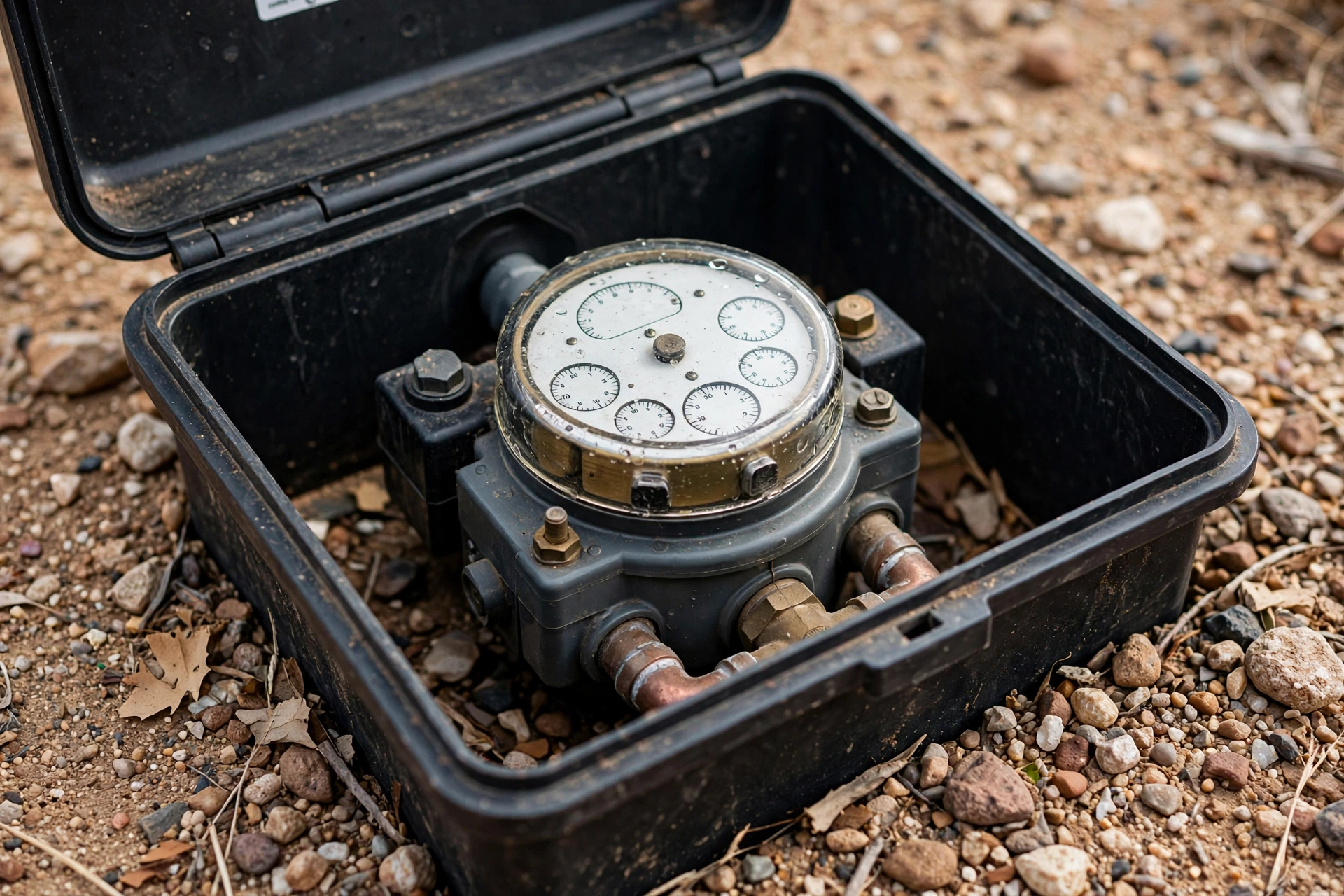
Document from the moment you notice the problem. Take photos of damp spots, stains, warm areas, and any visible damage, with dates. Take photos of your meter readings with the time. Save your water bills that show the jump. Keep a short log: date, what you noticed, what you did, and who you called.
During detection, you get a written findings report that records where the leak sits, which line it is on, and what repair options fit. Keep that report with your home records. It is a clear, factual record of what was found, and it helps your insurer see the location and cause.
After the repair, keep the invoice, the repair notes, and photos of the finished work. If a mold specialist or another trade does follow-up work, keep those records too. A complete file makes every later conversation easier.
What questions should I ask my insurer?
Ask these questions before you file, so you know what to expect. Ask what your policy covers for a slab leak, what it excludes, and whether it covers the pipe repair, the damage to the home, or both. Ask what your deductible is for this kind of claim, and ask what the filing deadline is.
Ask what paperwork they need: photos, the findings report, repair notes, or a written statement from you. Ask whether they want to send their own adjuster before the repair starts, and ask how that affects timing. If they want an inspection before work begins, ask how fast they can schedule it.
Ask what happens if you proceed with an urgent repair before their inspection. Some policies allow urgent work to limit further damage, and some want notice first. Get the answer before you act, and keep a note of who told you.
Should I file a claim for every slab leak?
Not always. Some homeowners file for every leak, and others handle a small repair without filing. The choice depends on your policy, your deductible, the size of the damage, and your own comfort with the process. There is no rule that fits every home.
Think through the numbers in your own case. If the damage is limited to one small area and the repair is straightforward, filing may not be the right move. If the damage spread to flooring, walls, or more than one room, filing may be worth a closer look. Talk with your agent about the tradeoffs before you decide.
Whatever you decide, keep the same records either way. Photos, the findings report, and repair notes hold their value whether you file or not. They also help if a related problem shows up later.
What if the leak caused other damage?
A slab leak can damage flooring, baseboards, drywall, cabinets, and stored items near the floor. It can also support mold growth in damp areas. Each kind of damage may be treated differently under your policy, so list each one separately in your records.
Take photos of each damaged area before you move or discard anything. Keep damaged items until your insurer tells you otherwise, or take clear photos and notes if you must move them for safety. If a mold specialist assesses the area, keep that report with your file.
For the mold side, read our post on can a slab leak cause mold. For the leak itself, read how slab leak detection works to see what the findings report covers.
What does our written findings report cover?
Our written findings report records where the leak sits, which line it is on, and what repair options fit. It is a factual record of the detection visit. You can share it with your insurer, your agent, or any other trade who works on the home.
The report does not promise coverage or predict a claim outcome. Coverage is set by your policy and your insurer, not by us. What the report does is give your insurer clear facts about the leak, so the conversation starts from what was actually found.
Keep a copy for your own records. If questions come up later about the leak, the report answers them with dates and locations rather than memory.
Frequently Asked Questions
It varies by policy. Some policies cover sudden and accidental water damage from a slab leak. Others limit coverage, exclude certain water damage, or cover damage to the home but not the pipe repair. Read your policy and talk with your insurer.
Take dated photos of damp spots, stains, and damage, photos of meter readings with the time, and keep water bills that show the jump. Keep the written findings report from detection, plus repair notes and any follow-up reports.
Yes, when you can. Ask what your policy covers, what paperwork they need, and whether they want to send an adjuster before work begins. Ask what to do if the repair is urgent and cannot wait.
The findings report gives your insurer a factual record of where the leak sat, which line it was on, and what repair options fit. It does not promise coverage or predict a claim outcome, which are set by your policy and your insurer.
Not always. The choice depends on your policy, your deductible, the size of the damage, and your own comfort with the process. Talk with your agent about the tradeoffs before you decide.
Last updated: October 16, 2026.